

Why did the itch medicine seem to stop working?
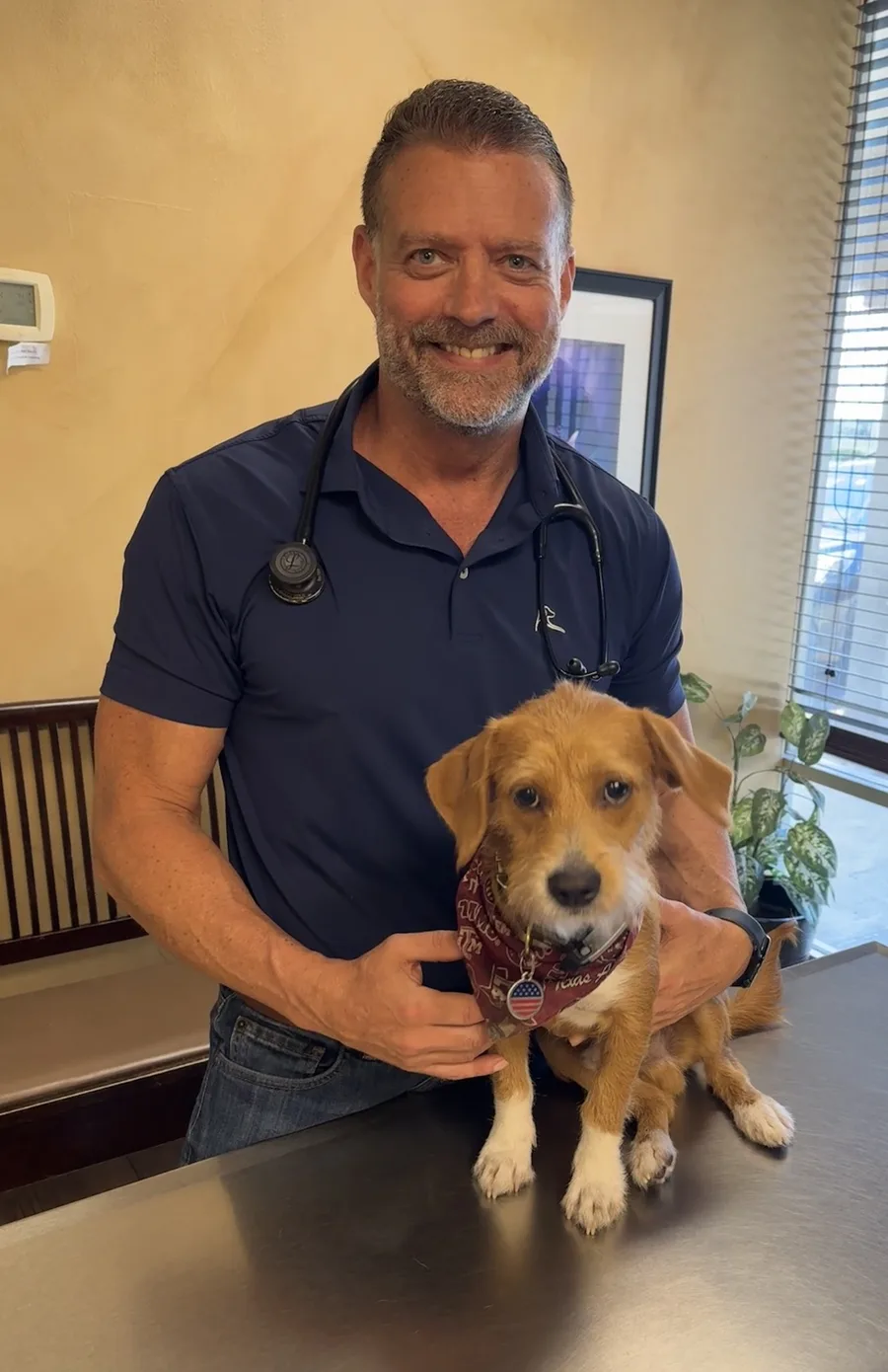
Hearthstone Animal Clinic, Cypress TX · vet since 2000
You finally found the thing that worked. For weeks, maybe months, your dog slept through the night and left his feet alone. Now he's back at it, and you're wondering if the medicine wore out or if he needs something stronger. That's a pretty common worry this time of year, after a long fall of treatment.
Why did a medicine that was working suddenly stop?
Most of the time, it didn't. The drug is still doing its job, but something new got in on top of the allergy and pushed the itch past what the medicine can hold.
I explain the itch drugs with the itch hotline. The nerve endings in the skin are the phones, and allergy messengers like IL-31 keep making them ring. Apoquel works on the switchboard inside the cell. Cytopoint grabs IL-31 before it ever reaches the nerve. Both are good at that job. Neither one does a thing about bacteria, yeast, or a flea biting him at the base of the tail. When one of those shows up, the phones start ringing on a line the drug was never covering.
What usually breaks through?
It's usually one of these:
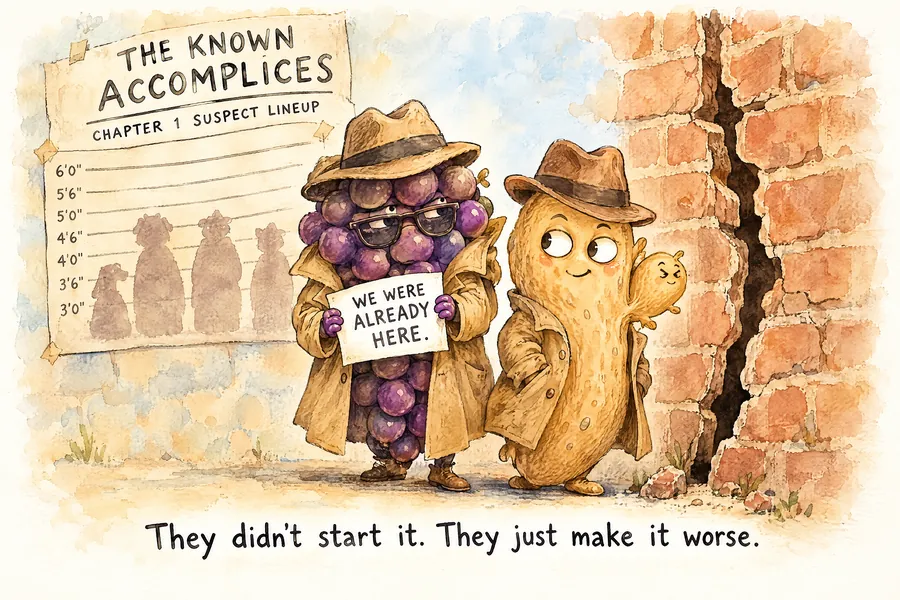
- A skin or ear infection. This is the big one. Staph and yeast pile on during a flare and make the itch a lot worse. They're the most common reason a good drug seems to stop working.
- Fleas. Our Houston winters are mild enough that fleas don't take the season off, and an allergic dog only needs a few bites. You don't have to see a flea for it to be fleas.
- Food. A new bag, a new treat, or a holiday plate from the table can all count.
- The air. Ragweed just finished, mold hangs around all winter, and cedar is next. A big week can fill the itch bucket faster than the medicine keeps up.
Why not just switch to a different drug?
Because switching drugs doesn't fix any of those. If there's staph on the skin, a new itch pill won't touch it, and you'll have paid for a new drug and still have an itchy dog. I'd rather find the new problem first.
That usually starts with a slide. Your vet touches a slide or a piece of tape to the skin, or swabs the ear, then stains it and looks for bacteria and yeast under the microscope. It's quick, and it runs about $30 to $60. If there's an infection, it gets treated for the full course and then rechecked, because skin can look better before the infection is gone. A whole flare like this, with the exam, medicine and recheck, commonly runs $250 to $600 or more. That's real money, but it's a lot less than chasing the wrong fix for a few months.
The veterinary dermatology guidelines say the same thing in drier words. When an allergic dog flares, the international committee's advice is to look for the cause of the flare and get rid of it, not only turn up the itch control. The 2023 AAHA guidelines also put treating infection and parasites near the start of the workup.
Can a dog really stop responding to his medicine?
Sometimes. Uncommonly, a dog's immune system makes antibodies against Cytopoint itself, and the shots don't work as well for that dog anymore. Some dogs on Apoquel find the itch creeping back before the next pill. Once infection and fleas have been ruled out, that's the signal for the next step on the itch ladder: trying the other drug, a real food trial if he's never had one, or a referral to a veterinary dermatologist.
For right now, please don't stop the medicine or change the dose on your own. Some drugs, steroids especially, need to be tapered off rather than stopped. Call your vet first, and let them help you figure out what changed.
Chapter 2 of The Itchy Dog is the itch hotline, and chapter 7 is infection, the usual reason a good drug looks like it quit. The Quick Guide keeps the when-to-call pictures short. If you'd like a note from me when cedar season starts, the itchydog.vet newsletter is free.
Sources
Olivry T, DeBoer DJ, Favrot C, Jackson HA, Mueller RS, Nuttall T, Prélaud P. Treatment of canine atopic dermatitis: 2015 updated guidelines from the International Committee on Allergic Diseases of Animals (ICADA). BMC Veterinary Research 2015;11:210.
Miller J, Simpson A, Bloom P, Diesel A, Friedeck A, Paterson T, Wisecup M, Yu CM. 2023 AAHA Management of Allergic Skin Diseases in Dogs and Cats Guidelines. Journal of the American Animal Hospital Association 2023;59(6):255-284.
Questions owners ask
- Should I stop my dog's itch medicine if it isn't working?
- No. Call your vet before you change or stop anything. The medicine is usually still doing part of the job, and some drugs, steroids especially, need to be tapered off rather than stopped.
- Can a dog stop responding to Cytopoint?
- Uncommonly, yes. A dog's immune system can make antibodies against Cytopoint itself, and then the shots don't work as well for that dog. Far more often the drug is fine and an infection, fleas or a pollen spike pushed the itch past what it can hold.
- How much does it cost to find out why the itch came back?
- A slide under the microscope runs about $30 to $60 a test. A whole flare, with the exam, medicine and recheck, commonly runs $250 to $600 or more. Those are rough 2026 US prices, and your clinic will vary.
More from the blog
 What is cedar season, and can it itch a dog?Ragweed is done, but cedar season starts in mid December. Here's what it is, how the pollen reaches Houston, and why an allergic dog can itch through it.
 Can mold make my dog itchy in a damp winter?Ragweed is fading, but your dog is still scratching. Around Houston, mold spores stay in the air all year. Here's how mold keeps the itch going.
 Is it the food, or is it the season?Food allergies and pollen allergies itch in the same spots. The calendar is the best clue you have. How to read it, and what to do next.
Keep one handy
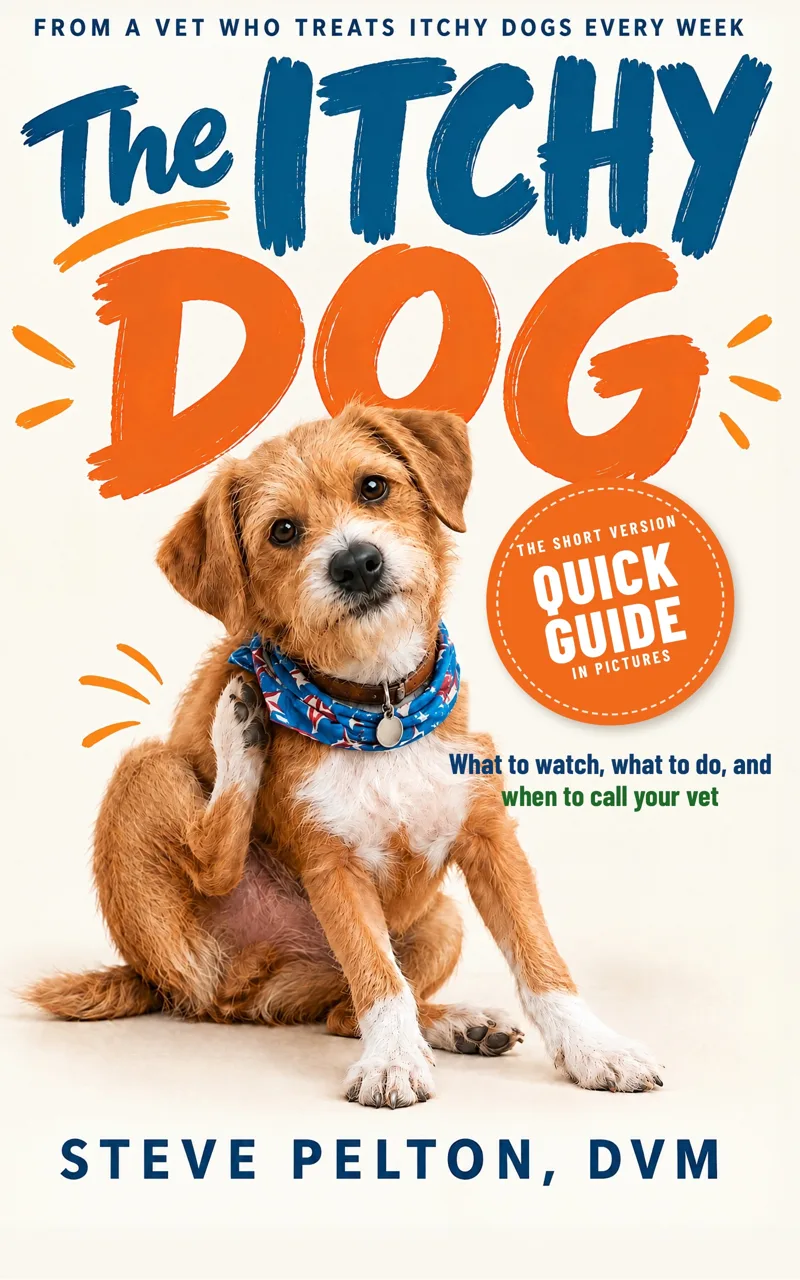 The short versionThe Itchy Dog Quick GuideWhat to Watch, What to Do, and When to Call Your Vet, in Pictures
Want the whole story? The Itchy Dog is on Kindle too. The monthly note lives in the newsletter archive.
Monthly itch-season tips from Dr. Pelton
A short note from me when itch season ramps up, and what I'd tell you in the exam room that month.
I'll never sell your email. Read past issues