


Can mold make my dog itchy in a damp winter?
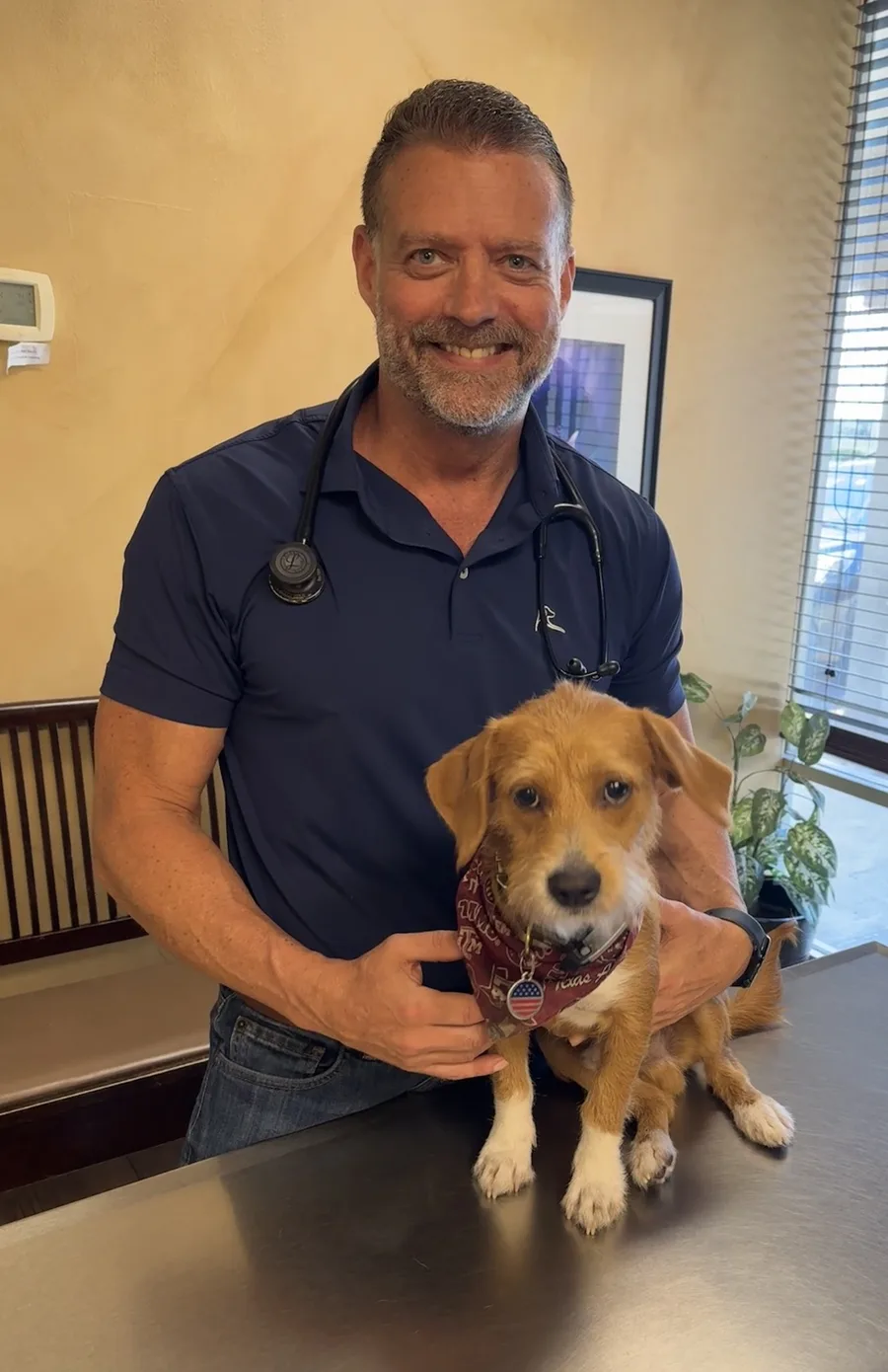
Hearthstone Animal Clinic, Cypress TX · vet since 2000
A lot of owners expect the scratching to stop once fall is over. Ragweed fades, the mornings get cool, and the dog is still chewing his feet in front of the TV. That's pretty common around here, and mold is one of the reasons.
Can mold keep a dog itchy after ragweed fades?
Yes. Mold spores are one of the environmental allergens that drive itchy skin in dogs, the same group as pollens and dust mites. Vets call that whole group atopic dermatitis. The dog breathes the spores in and gets them on his skin, and an allergic dog's skin overreacts to them.
The reason mold hangs on is the weather. Ragweed is a fall pollen and it has an end date. Mold doesn't really have one. The Houston Health Department says mold spores are always present, and they grow heaviest when it's warm, humid and rainy, like after a heavy rain. That describes a lot of our winter days. We get a cold front, then a few muggy days, then rain, then another front. Baylor allergist David Corry points out that the dry air behind a cold front is exactly when mold switches to making spores, and the wind carries them.
There's no separate pollen and mold calendar for Cypress. We're in the Houston metro, so that's the one I go by.

Why would one more allergen matter if the worst is over?
Because itch adds up. I explain it with the itch bucket. Every dog has a line he can sit under without scratching much. Pollen, mold, dust mites, fleas, food and infection all pour in. In October, ragweed was the big faucet. When it shuts off, mold is still running, and in some dogs that's enough to keep the bucket right at the rim.
So a dog who gets a little better in November, but never all the way, is telling you something. One faucet closed, but something else is still running.
How do I know it's mold and not something else?
At home, you usually can't, and that's okay. Mold itch looks like any environmental allergy: paws, face, ears, armpits, belly and groin. The 2015 veterinary dermatology guidelines list those same spots, and they note itch can follow the seasons or hang around all year.
What I'd pay attention to is the pattern. If the itch flares after a stretch of rain or a muggy week, the air is a good suspect. If it never lets up no matter the weather, think of the things that are always there, like food, dust mites or fleas. I'd look hardest at fleas, since our winters are warm enough that they don't take the season off.
I'd also skip the idea of testing to find out. No skin or blood test can tell you whether your dog has allergies, and the hair and saliva kits sold online are no good at all, mold or otherwise. Testing has one job: picking what goes into allergy shots once the diagnosis is already made. That's work for a board-certified veterinary dermatologist, and it runs about $2,000 to $3,000 here in Houston once everything's added up. For most dogs, that's not where we start.
What can I do about it this winter?
For right now, keep it simple. Stay on flea prevention all year. Do the wipe-downs. Check the itch forecast for your ZIP on the days he's worse, so you can see whether the air lines up with the scratching. If it does, that's useful to bring to your vet.
If he's still itchy after that, the next step is a visit. Your vet can check for a skin or ear infection riding on top, which is pretty common in a damp stretch, and talk about where your dog sits on the itch ladder. Allergies like this are managed, not cured. The goal is a comfortable dog, most days at a 0 to 2 out of 10.
Chapter 3 of The Itchy Dog is the leaky brick wall, the reason allergic skin lets things like mold in to begin with, and the Quick Guide keeps the when-to-call pictures short. If you'd like a note from me when the season turns again (cedar is next), the itchydog.vet newsletter is free.
Sources
Houston Health Department. Houston HealthScope, March 27, 2026: mold spores are always present and grow most heavily in warm, humid and rainy conditions, including after heavy rains.
David Corry, professor of immunology, allergy and rheumatology, Baylor College of Medicine. "Don't fall for allergies this season," Houston, October 6, 2025.
Hensel P, Santoro D, Favrot C, Hill P, Griffin C. Canine atopic dermatitis: detailed guidelines for diagnosis and allergen identification. BMC Veterinary Research 2015;11:196.
Questions owners ask
- Can dogs be allergic to mold?
- Yes. Mold is one of the environmental allergens behind atopic dermatitis in dogs, along with pollens and dust mites. Many allergic dogs react to more than one of them.
- Why is my dog still itchy after ragweed season?
- Around Houston, mold spores never really leave. They're always present and climb when it's warm, humid and rainy, so a damp winter can keep an allergic dog itchy after ragweed fades. Dust mites, food and fleas don't take the winter off either.
- Can a test tell me if my dog is allergic to mold?
- No test can tell you whether your dog has allergies, and hair and saliva kits don't work at all. Skin testing by a veterinary dermatologist is for choosing what goes into allergy shots, once the diagnosis is already made.
More from the blog
 What is cedar season, and can it itch a dog?Ragweed is done, but cedar season starts in mid December. Here's what it is, how the pollen reaches Houston, and why an allergic dog can itch through it.
 Why did the itch medicine seem to stop working?Your dog was doing great on his itch medicine, and now he's scratching again. Most of the time the drug didn't quit. Something new got in on top.
 Is it the food, or is it the season?Food allergies and pollen allergies itch in the same spots. The calendar is the best clue you have. How to read it, and what to do next.
Keep one handy
 The short versionThe Itchy Dog Quick GuideWhat to Watch, What to Do, and When to Call Your Vet, in Pictures
Want the whole story? The Itchy Dog is on Kindle too. The monthly note lives in the newsletter archive.
Monthly itch-season tips from Dr. Pelton
A short note from me when itch season ramps up, and what I'd tell you in the exam room that month.
I'll never sell your email. Read past issues