

Tools
Small tools for the questions I get every day
Each one does one job, the way I'd do it with you in the exam room. Nothing you type is saved or sent anywhere.
 Itchy right now?Four quick taps to a plan for tonight, and a sheet to bring to your vet.
 How much can I give?Your dog's weight in, a pill count out. The warning always comes first.
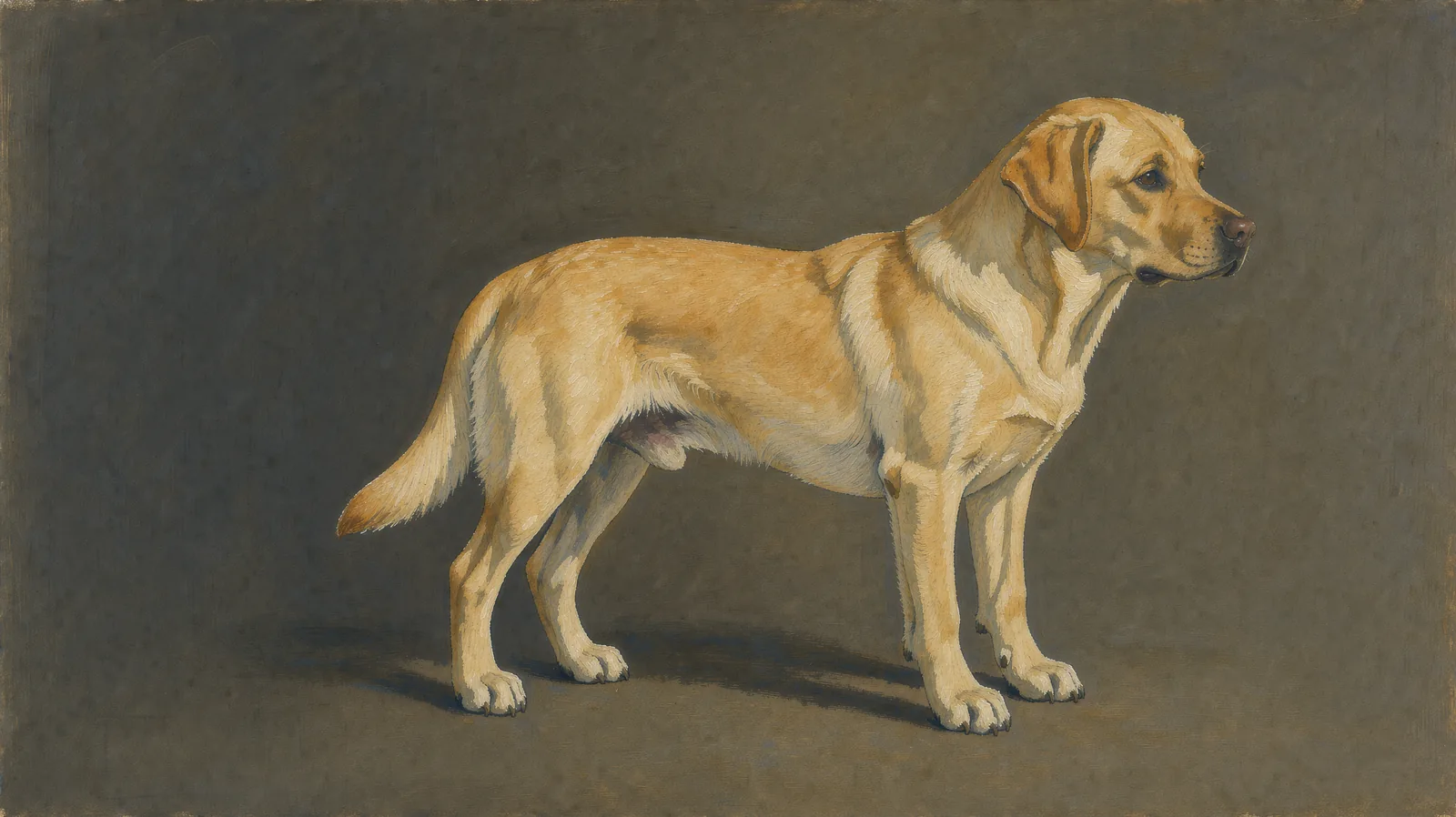 Where's the itch?Tap the painted dog where yours scratches and see what it most likely means.
 Is this box safe?Check the allergy pill in your cabinet before it goes anywhere near your dog.
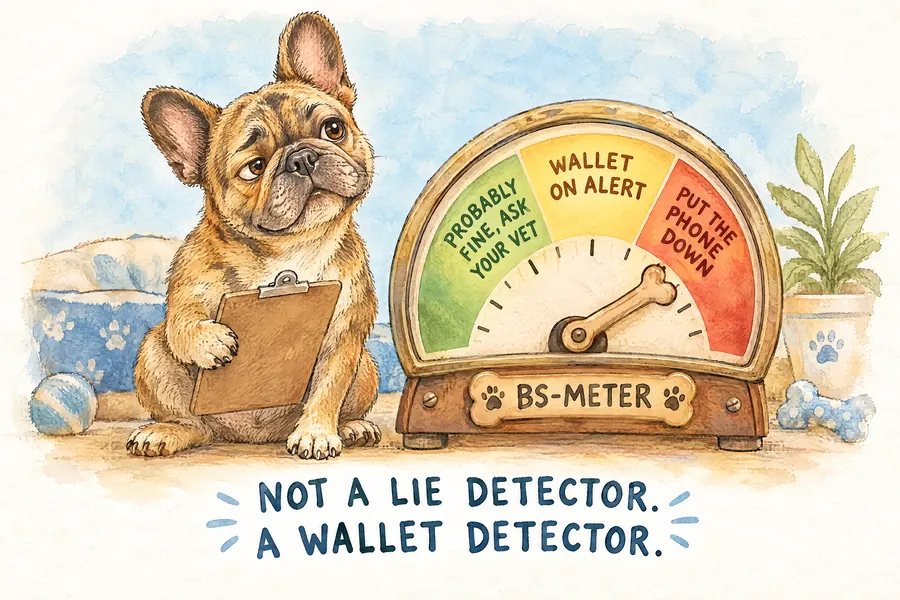 Run an ad through the BS detectorTick the sales tricks you spot in an itch product ad and watch the needle swing. From my book.
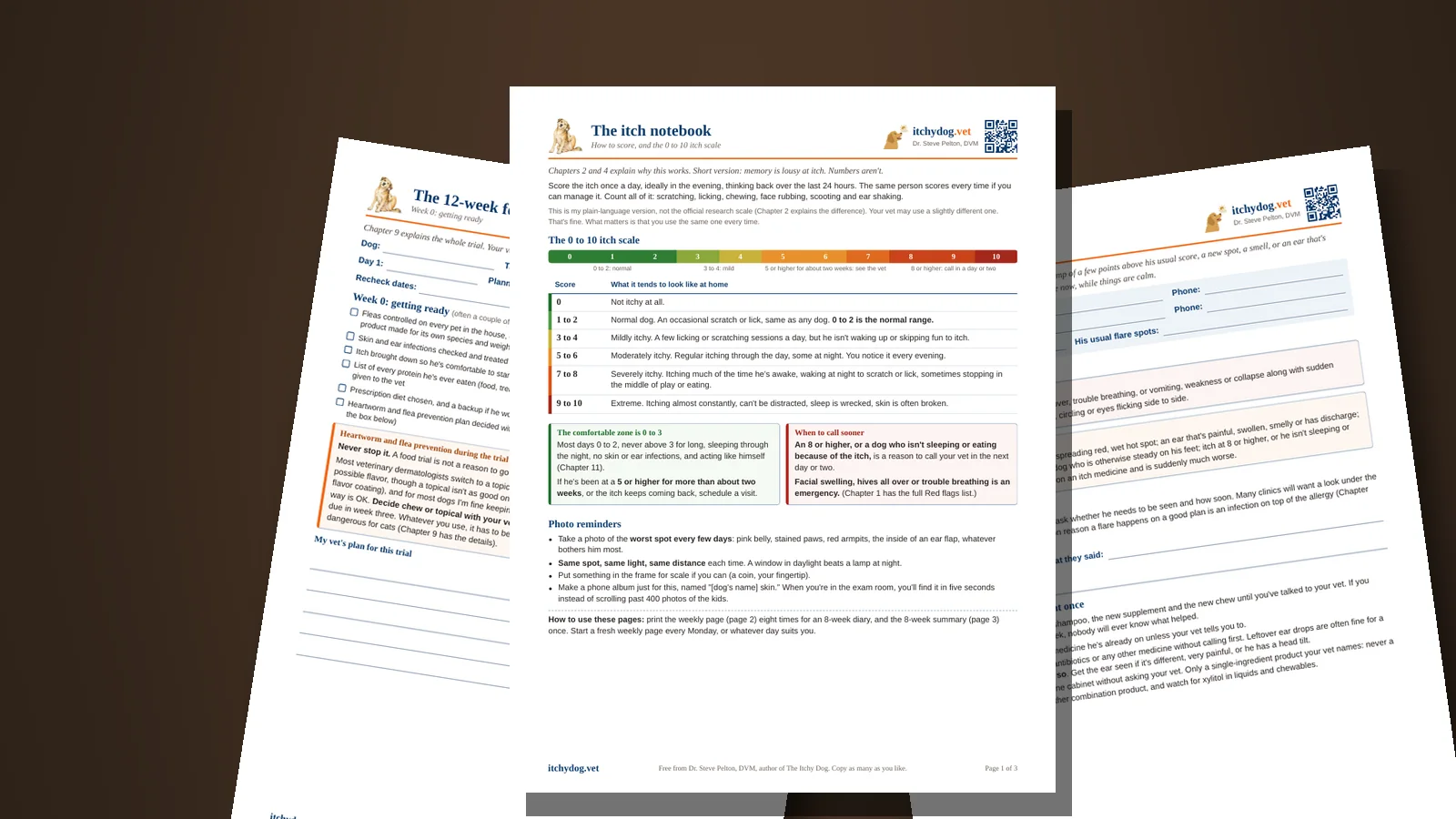 Prefer paper? Print the worksheetsThe itch notebook, the food-trial log, the flare plan and more, straight from my book. Free, and print as many as you like.
Quick answers
The short answers, in plain words. More questions and answers.
Is Zyrtec-D safe for dogs?
No, Zyrtec-D isn't safe for dogs, and neither is anything else with "-D" on the label, like Claritin-D or Allegra-D, or anything containing pseudoephedrine, phenylephrine or another decongestant. These can be deadly to dogs. Skip "PE," "Sinus" and "PM" versions and combination products too, and check liquids, melts and chewables for xylitol. If your dog may have eaten one, take him to a vet now.
Can I give my dog Tylenol or ibuprofen for itching?
No, neither one is an allergy medicine, and both can hurt dogs. Acetaminophen (Tylenol) can damage the liver and the red blood cells and can be life-threatening. Ibuprofen (Advil, Motrin) has a narrow margin of safety in dogs and can cause stomach ulcers and kidney damage, and naproxen (Aleve) has caused bleeding into the bowels. Don't give any of them unless your vet tells you to.
Why does my dog chew the base of his tail?
Think fleas first, even if you've never seen one. Chewing at the lower back, the base of the tail and the backs of the thighs is the classic flea-allergy pattern, because a flea-allergic dog reacts to flea spit and a few bites are enough. Put every pet in the house on vet-recommended flea prevention, on schedule, all year, for at least two to three months before deciding fleas weren't the problem.
Why does my dog keep shaking his head and scratching his ears?
Itchy, smelly ears are very often an allergy symptom with an infection riding on top, because the ear canal is skin too. Book a vet visit soon if the ears are red, smelly, sore or full of gunk, or your dog keeps shaking his head, so your vet can check a sample under the microscope and pick the right ear medicine. A sudden head tilt with falling, circling or flicking eyes is different. That's an emergency.
My dog is scratching like crazy tonight. What should I do?
First rule out an emergency: swelling of the face, lips or eyes, spreading hives, trouble breathing, or a chance he ate something with xylitol or a decongestant means a vet now. If none of those fit, start with a cool bath, wiped paws and a cone to break the itch-scratch cycle. A plain, single-ingredient antihistamine is an option for some dogs. The triage tool walks you through it in four quick questions.
General education, not veterinary advice. If your dog is miserable, see your vet.