



What is cedar season, and can it itch a dog?
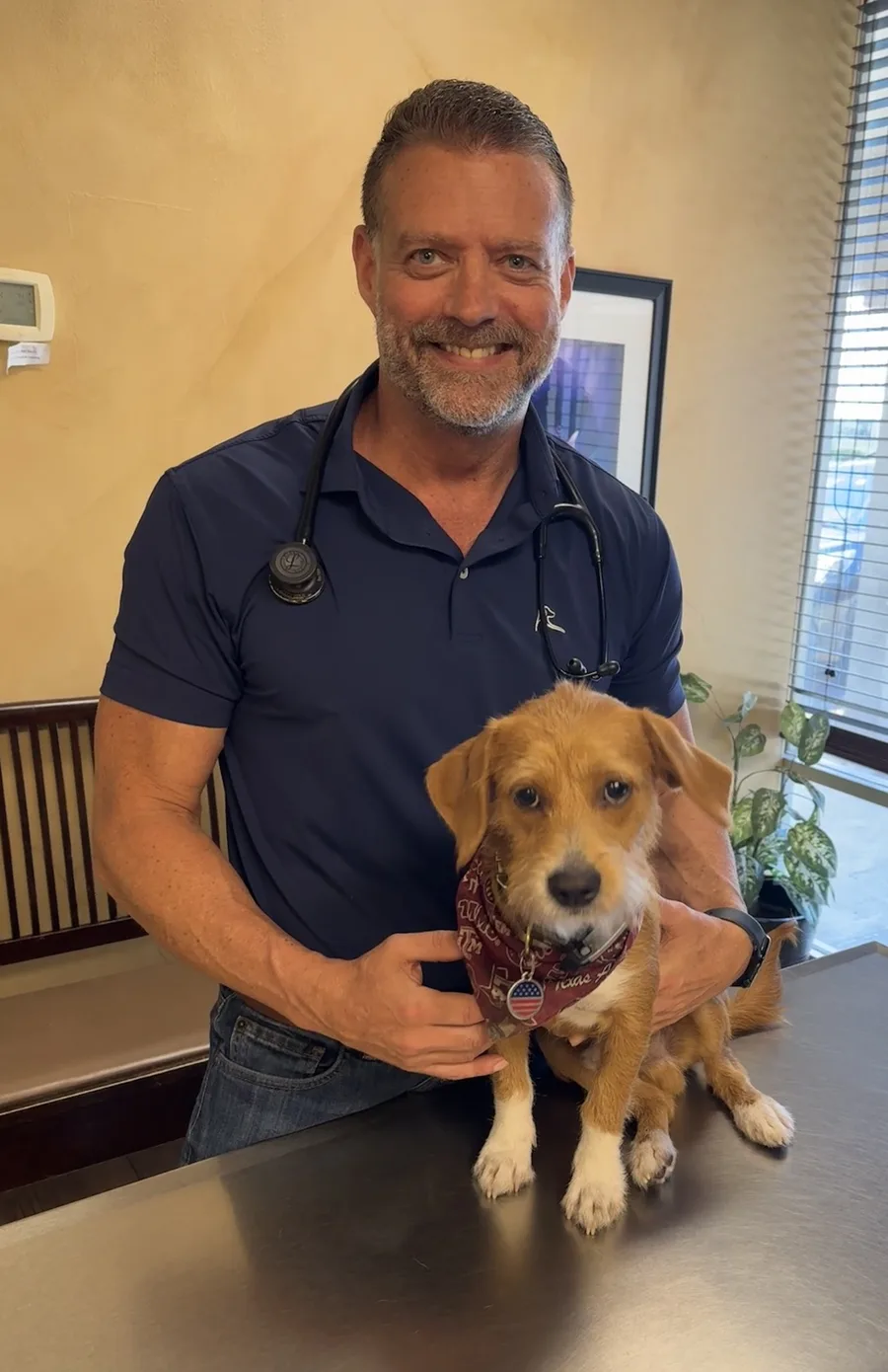
Hearthstone Animal Clinic, Cypress TX · vet since 2000
Ragweed is done, and a lot of owners figure that's the end of allergy season until spring. Around here, there's one more act. In about a month, cedar season starts, and some allergic dogs who got a little break in November go right back to chewing their feet over the holidays.
Can mountain cedar make a dog itchy in winter?
Yes, if he's allergic to it. Tree pollens are one of the environmental allergens behind itchy skin in dogs, the same group as grass, weeds, mold and dust mites. Vets call that whole group atopic dermatitis. Mountain cedar is on the regional allergy panels used for dogs in southern Texas, along with oak and ragweed.
In people, this gets called cedar fever: stuffy nose, itchy eyes, feeling run down. Dogs mostly do it through the skin. The pollen lands on him, gets into skin that was already leaky, and you see it as licked paws, a rubbed face, ear trouble, and itchy armpits and belly. Those are the same spots the veterinary dermatology guidelines list for environmental allergies.
What is cedar season, exactly?
Mountain cedar is really Ashe juniper, a tree that covers a lot of the Hill Country west of I-35. Most trees make their pollen in spring, but juniper waits for winter. The Texas A&M Forest Service says it usually starts in mid December, often set off by a cold front, peaks in mid January, and tapers toward the beginning of March. The pollen can blow for miles.
You might figure Cypress is too far from the Hill Country for that to matter. It usually isn't. The pollen rides in on the cold fronts, and Ashe juniper season usually hits Houston from December through February. Eastern red cedar, which grows in our part of the state, pollinates around the same time.
There's no separate pollen calendar for Cypress, so I go by Houston's.

Why would he itch in January if he was fine in November?
Because itch adds up. I explain it with the itch bucket. Every dog has a line he can sit under without scratching much. Pollen, mold, dust mites, fleas, food and infection all pour in. When ragweed shut off, a lot of dogs dropped back under the line. Mold never really stops around here, and cedar is one more faucet turning on in December. For some dogs, that's enough to tip it over again.
So if your dog has a pattern, worse every January and better by spring, that's worth writing down. Itch that comes and goes with the seasons points toward pollen. Itch that never lets up points toward something that's always there, like food, dust mites or fleas.
Can a test tell me if he's allergic to cedar?
No. No skin or blood test can tell you whether your dog has allergies, and the hair and saliva kits sold online don't work at all. The blood tests don't even agree with each other. When researchers sent the same blood from 10 allergic dogs to four US labs, the results barely matched, and about 85% of the allergy shot recommendations came from just one lab or another.
Testing has one job: picking what goes into allergy shots once the diagnosis is already made. That's work for a board-certified veterinary dermatologist, and it runs about $2,000 to $3,000 here in Houston once everything's added up. For most dogs, that's not where we start.
What should I do before cedar season starts?
For right now, keep it simple. Stay on flea prevention all year, since our winters don't stop fleas. Do the wipe-downs. Check the itch forecast for your ZIP on the days he's worse, so you can see whether the air lines up with the scratching.
If he had a rough January last year, talk with your vet in early December, before the first big front, rather than after a week of no sleep. Your vet can check for a skin or ear infection riding on top and talk about where he sits on the itch ladder. Allergies like this are managed, not cured. The goal is a comfortable dog, most days at a 0 to 2 out of 10.
Chapter 3 of The Itchy Dog is the leaky brick wall, the reason allergic skin lets pollen in to begin with, and the Quick Guide keeps the when-to-call pictures short. If you'd like a note from me when cedar season starts, the itchydog.vet newsletter is free.
Sources
Texas A&M Forest Service. "Cedar fever season begins in Texas," December 10, 2024, with Robert Edmonson, Texas A&M Forest Service biologist.
Patel S, Stringer M, Cobler N. "Why Houston allergies are so bad." Axios Houston, September 18, 2024.
Hensel P, Santoro D, Favrot C, Hill P, Griffin C. Canine atopic dermatitis: detailed guidelines for diagnosis and allergen identification. BMC Veterinary Research 2015;11:196.
Plant JD, Neradelik MB, Polissar NL, Fadok VA, Scott BA. Agreement between allergen-specific IgE assays and ensuing immunotherapy recommendations from four commercial laboratories in the USA. Veterinary Dermatology 2014;25(1):15-e6.
Questions owners ask
- When is cedar season in Houston?
- Ashe juniper usually starts making pollen in mid December, peaks in mid January and tapers toward early March. The pollen rides in on cold fronts, and it usually reaches Houston from December through February. Eastern red cedar pollinates around the same time.
- Can dogs get cedar fever?
- Not the way people describe it. An allergic dog mostly reacts through the skin, so you see licked paws, a rubbed face, ear trouble and an itchy belly more than a stuffy nose.
- Can a test tell me if my dog is allergic to cedar?
- No. No skin or blood test can tell you whether your dog has allergies, and hair and saliva kits don't work at all. Skin testing by a veterinary dermatologist is for choosing what goes into allergy shots, once the diagnosis is already made.
More from the blog
 Can mold make my dog itchy in a damp winter?Ragweed is fading, but your dog is still scratching. Around Houston, mold spores stay in the air all year. Here's how mold keeps the itch going.
 Why did the itch medicine seem to stop working?Your dog was doing great on his itch medicine, and now he's scratching again. Most of the time the drug didn't quit. Something new got in on top.
 Is it the food, or is it the season?Food allergies and pollen allergies itch in the same spots. The calendar is the best clue you have. How to read it, and what to do next.
Keep one handy
 The short versionThe Itchy Dog Quick GuideWhat to Watch, What to Do, and When to Call Your Vet, in Pictures
Want the whole story? The Itchy Dog is on Kindle too. The monthly note lives in the newsletter archive.
Monthly itch-season tips from Dr. Pelton
A short note from me when itch season ramps up, and what I'd tell you in the exam room that month.
I'll never sell your email. Read past issues