



Why is my dog itchier this fall?
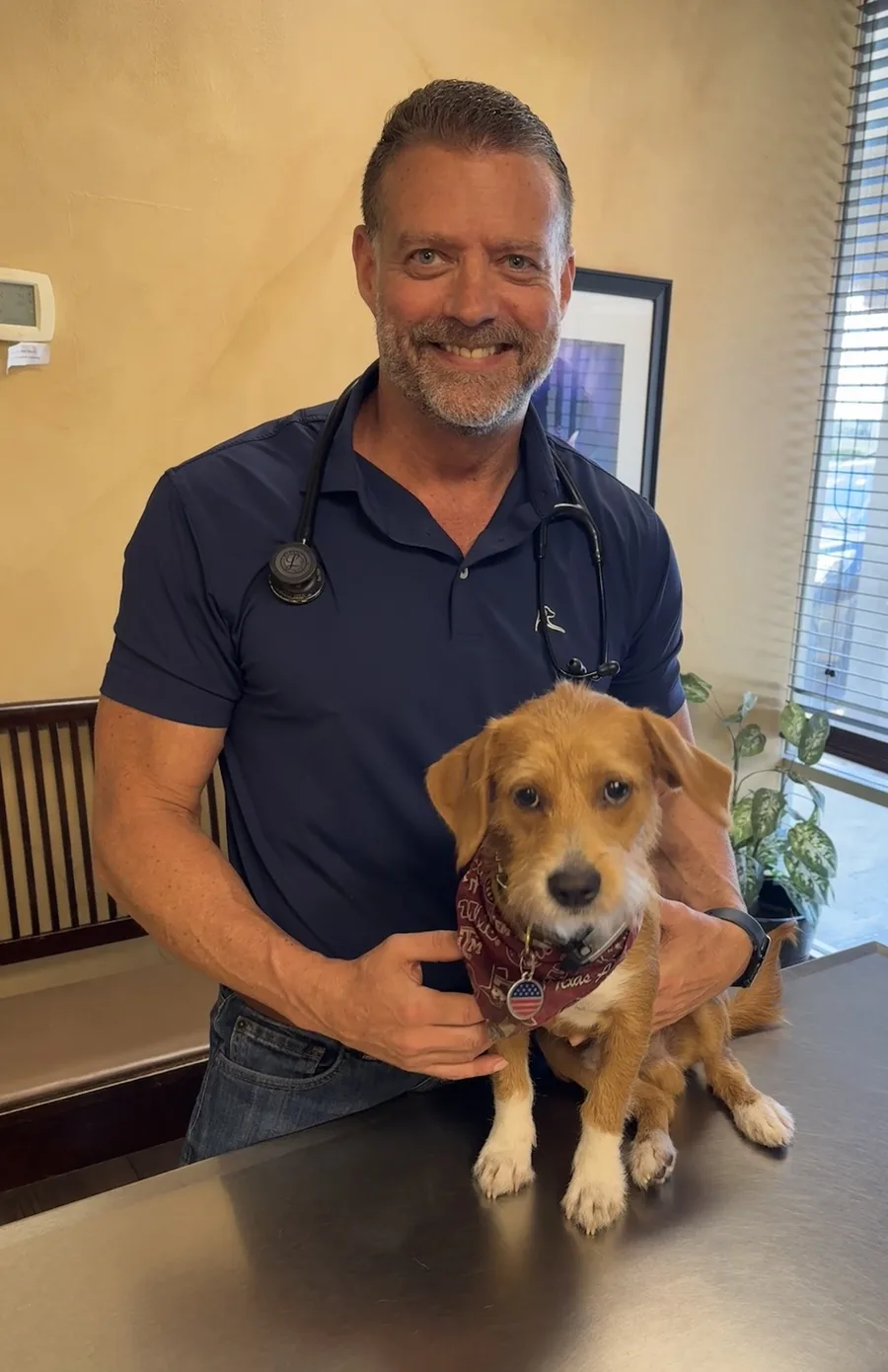
Hearthstone Animal Clinic, Cypress TX · vet since 2000
Why is the itch worse this fall?
Fall is a busy stretch for itchy dogs in my Cypress exam room. The reason is the air.
Take Biscuit. He is fine in July. Come October, every walk in the grass ends with him licking his front feet. That is the fall pattern. It is why the appointment book fills up.
Around Houston, fall belongs to ragweed. Mold is in that same air. A cold front dries things out. The wind picks up. The pollen and the spores go with it. Houston allergists put the ragweed peak in late September or early October. It often starts in mid-August. It can hang on until the weather actually turns cool.
Cypress does not have a pollen calendar of its own. We are in the Houston metro, so that is the calendar I use. Then I check the itch forecast for his ZIP.
The veterinary dermatology guidelines say what I see in the room. The first sign is the itch. Scratching, rubbing, chewing, licking, or a head shake. Pollen itch comes and goes with the season. Dust mites and food do not care what month it is.

Which spots does a fall flare hit?
On Biscuit it starts with the front feet. Then the face, the ears, the armpits, the belly. The veterinary dermatology guidelines list those same spots, plus the groin, the area under the tail, and the lower legs. Top of the paws and bottom. The ear canal is skin too, so the ears often get infected along the way.
Why those spots? They are the ones that meet the grass.
A flare like his looks like paw licking and a head shake. If the chewing is on the rump or the base of the tail, that is a different clue. The map is on Where's the itch?.
The same guidelines say the signs can be seasonal. Or not tied to a season. Or there all year, with a bump when the pollen rises. Where the dog lives matters.
How do I tell the season from something that never stops?
If the itch comes and goes with the seasons, think pollen. If it never lets up, think of something that is always there. Food, dust mites, or fleas. I say it the same way on the environment section.
Ragweed lining up with October is a clue. It is not the whole answer. Food and fleas do not take October off. If Biscuit was already itchy in January, and fall only turns the volume up, both can be true.
The money is simple. Reading the calendar costs nothing. A new bag of food, or a mail-order test, bought because you are tired of guessing, costs real money. Read Before you spend money before you do either.
When should I call instead of waiting?
If he is still himself and the skin is not raw, you can watch. Call when the skin changes, or when he does. These lines are already on Itchy tonight.
On the days the itch jumps, check the forecast. Type your own ZIP if you are not in Cypress. That number is today's air, not a diagnosis.
Sources
People calendar, Houston. David Corry, Baylor College of Medicine, "Don't fall for allergies this season," October 6, 2025. Axios Houston, "Why Houston allergies are so bad," September 18, 2024. Amber Luong, MD, PhD, "Allergy Update," McGovern Medical School, November 28, 2010.
Dog pattern. Hensel P, Santoro D, Favrot C, Hill P, Griffin C. Canine atopic dermatitis: detailed guidelines for diagnosis and allergen identification. BMC Veterinary Research 2015;11:196. Olivry T, DeBoer DJ, Favrot C, Jackson HA, Mueller RS, Nuttall T, Prélaud P, for the International Task Force on Canine Atopic Dermatitis. Treatment of canine atopic dermatitis: 2010 clinical practice guidelines from the International Task Force on Canine Atopic Dermatitis. Veterinary Dermatology 2010.
Questions owners ask
- Does itch that comes and goes point to pollen?
- It can. The 2015 diagnosis guidelines say itch from pollen is often seasonal, while itch from dust mites or food tends to ignore the calendar. A season that matches the pollen calendar is a clue, not a diagnosis by itself.
- Are the front feet part of a fall pattern?
- Yes. The feet, face, ears, armpits, belly and groin are the spots most often involved in environmental allergies, and the 2010 treatment guidelines add that the top and bottom of the paws are often involved.
- Does Cypress have a pollen calendar of its own?
- No separate Cypress calendar is published. Cypress is in the Houston metro, and this fall pattern is the Houston one, ragweed plus mold. The homepage forecast uses your ZIP.
Keep one handy
 The short versionThe Itchy Dog Quick GuideWhat to Watch, What to Do, and When to Call Your Vet, in Pictures
Want the whole story? The Itchy Dog is on Kindle too. The monthly note lives in the newsletter archive.
Monthly itch-season tips from Dr. Pelton
A short note from me when itch season ramps up, and what I'd tell you in the exam room that month.
I'll never sell your email. Read past issues